

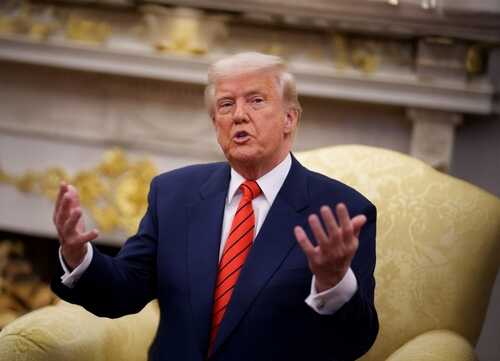
(LibertyInsiderNews.com) – One obscure Senate tradition, designed as a courtesy but weaponized as a partisan barricade, has quietly shaped the fate of America’s courts, and Donald Trump has just detonated the debate over its future.
Story Snapshot
- Trump’s latest tirade against the “blue slip” rule revives a century-old Senate controversy.
- The blue slip process empowers home-state senators to block or delay federal judicial appointments.
- Partisan battles over blue slips have escalated, impacting both Trump and Biden’s judicial agendas.
- Reformers and traditionalists now clash more openly than ever over whether the blue slip should survive.
Trump Calls Out a Senate Tradition Few Americans Know, But All Feel
Donald Trump’s presidency may be history, but his campaign against Senate customs is far from over. Recently, Trump launched a fierce attack on the “blue slip” rule, a little-known yet powerful lever that lets senators approve or quietly kill judicial nominees in their own states. Trump’s blunt language, branding the rule “stupid and outdated”, cut through decades of polite procedural debate, thrusting the blue slip into the political spotlight and igniting calls for its demise. For many Americans, the blue slip is invisible, but its consequences are not: it determines who sits on the federal bench, who interprets laws, and, ultimately, whose rights are protected or denied.
Trump’s frustration is not new, but his willingness to air it publicly is. During his 2017–2021 term, Democratic senators wielded the blue slip to stall or block a number of his district court nominees, particularly in states where they held sway. The result: empty judgeships, slow-moving courts, and a simmering feud over whether the Senate’s oldest traditions are now tools of governance or of gridlock. Trump’s latest remarks have done what few procedural debates manage, make Americans care, if only because they sense the stakes are no longer abstract but immediate.
The Blue Slip’s Journey: From Courtesy to Cudgel
The blue slip began innocuously in the early 20th century as a gesture of senatorial courtesy, encouraging presidents to consult home-state senators before nominating federal judges. Over time, this courtesy hardened into a de facto veto, especially for district court seats. Depending on which party controls the Senate Judiciary Committee, the rule’s enforcement can be strict or relaxed. Under Obama, Republicans used blue slips to halt nominees; under Trump, Democrats returned the favor, though Republicans sometimes bypassed blue slips for appellate nominees. Each escalation has left the process more politicized and less predictable, with the committee chair wielding enormous discretion over whether a senator’s objection can kill a nomination.
This story is not merely about procedural quirks, it’s about power. The blue slip hands individual senators leverage over the White House and the Judiciary Committee. Presidents from both parties have chafed at its constraints, while advocacy groups like the Alliance for Justice call for reform, arguing the rule stifles judicial diversity and fairness. Yet defenders insist the blue slip protects state interests and ensures local voices matter in federal appointments. The result: a process that is both a shield and a sword, alternately celebrated and condemned, but always consequential.
High Stakes: Why the Blue Slip Battle Matters Now
Every vacancy on the federal bench means more than a delayed court case; it means justice deferred, rights in limbo, and uncertainty for communities awaiting rulings on everything from civil rights to business disputes. During Trump’s tenure, blue slip skirmishes led to significant judicial vacancies in states with Democratic senators. Under Biden, Republicans have returned far fewer blue slips, exacerbating the partisan imbalance. Advocacy organizations, alarmed by prolonged vacancies and their impact on judicial diversity, have intensified their calls for blue slip reform or outright abolition. The process has become a flashpoint, with both sides accusing the other of weaponizing tradition for political advantage.
The battle’s outcome could echo for decades. Federal judges serve for life, shaping policy long after presidents leave office. The blue slip, once a behind-the-scenes formality, now stands accused of entrenching gridlock and undermining public trust in the courts. Trump’s outburst has forced a reckoning: Is the blue slip a vital check on executive power, or a relic that enables minority obstruction? The answer may determine not just the pace of judicial appointments, but the very legitimacy of the judiciary in the eyes of the American public.
The Road Ahead: Reform, Abolition, or More of the Same?
Lawmakers, legal scholars, and advocacy groups are now openly debating the blue slip’s future. The Congressional Research Service documents the tradition’s shifting enforcement, while the Alliance for Justice and dozens of allied organizations argue that reform is overdue. Some propose ending the blue slip entirely, others want clearer, more consistent rules that prevent individual senators from holding the courts hostage. The only certainty is that the debate will intensify as judicial appointments remain a battlefield for partisan agendas.
The political chess game over the blue slip is not just about process, it’s about who gets to decide the shape of American justice. As Trump’s latest salvo makes headlines and advocacy groups mobilize, the fate of this Senate tradition hangs in the balance. The next Judiciary Committee chair, the next president, and even the next generation of lawyers and litigants will all feel the ripple effects of decisions made now. For readers who think Senate rules are dry and irrelevant, the blue slip’s story is a reminder: sometimes, the smallest traditions cast the longest shadows.
Copyright 2025, libertyinsidernews.com