
(LibertyInsiderNews.com) – A 43-day government shutdown nearly stole Thanksgiving, until a presidential signature reversed the chaos just in time for millions of Americans to celebrate with turkey and family, not furloughs and fear.
Story Snapshot
- The 2025 government shutdown broke records, lasting 43 days and disrupting millions of lives.
- Partisan gridlock ended with President Trump signing a bipartisan deal just before Thanksgiving.
- Federal workers, military families, and essential services faced severe strain throughout the standoff.
- The shutdown’s resolution was cast as a Trump-led rescue, with both sides claiming victory but long-term divisions persisting.
Longest Shutdown in U.S. History Tested National Resolve
Shutdowns have always been a dramatic fixture of American politics, but the 2025 standoff set a new, bleak standard. For 43 days, beginning October 1, federal offices shuttered, agencies furloughed workers, and paychecks vanished. The fault lines were clear: Democrats demanded health care subsidies and social program protections, while Republicans, bolstered by the Trump-Vance administration, insisted on border security and fiscal restraint. The country watched as political leaders sparred, blaming each other for elevating partisan interests over public welfare. As the shutdown stretched past the previous 35-day record, even the most jaded observers recognized the historic weight of the moment.
Federal workers, including up to 4.5 million employees, braced for missed or delayed paychecks. Military personnel faced the risk of disrupted salaries, forcing emergency fund reallocations. Essential services, from aviation to public safety, strained under the pressure. The economic toll mounted, with industry experts estimating a $15 billion weekly loss in GDP and tens of thousands of jobs put in jeopardy. Small businesses reliant on federal contracts or loans saw payments stall. Airlines and defense contractors warned of cascading effects throughout the national supply chain, echoing the pleas of labor unions and industry groups for swift resolution.
Bipartisanship Out of Necessity, Not Conviction
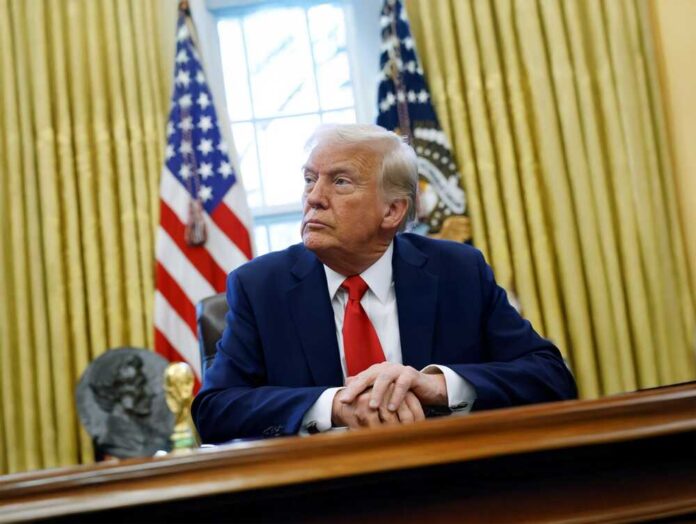
The partisan standoff’s eventual end was triggered by necessity rather than ideological conversion. On November 9, after weeks of mounting pressure and public outcry, Senate leaders reached a compromise: Democrats’ demands for immediate health care expansion were set aside for a future vote, while Republicans acquiesced to a temporary funding deal. The House, called back to Washington for an emergency session, narrowly passed the measure on November 12. A handful of cross-party votes broke the deadlock, underscoring the transactional nature of the agreement. President Trump, wielding the final authority, signed the bill late that night. What emerged was less a grand vision than a pragmatic escape from the brink, timed perfectly for Thanksgiving’s approach.
Trump’s signature moment was accompanied by carefully crafted messaging. “With my signature, the federal government will now resume normal operations, and my administration and our partners in Congress will continue our work to lower the cost of living, restore public safety, grow our economy and make America affordable again for all Americans again,” he declared. The White House and Republican leaders positioned the end of the shutdown as a validation of their priorities, border security and fiscal prudence, while simultaneously embracing the optics of bipartisanship. Democrats, for their part, highlighted the preservation of social programs and the promise of future votes on health care, setting the stage for a renewed budget fight in January 2026.
Aftershocks of a Political Earthquake
For federal employees and their families, the reopening of government offices brought immediate, if bittersweet, relief. Back pay provisions offered financial respite, but morale remained low, battered by weeks of uncertainty. Industry groups like the Aerospace Industries Association and the Airline Pilots Association issued warnings about the long-term risks of repeated shutdowns, citing threats to national security and the operational integrity of critical infrastructure. Policy analysts cautioned that each shutdown chips away at public trust in government stability, fueling cynicism and discouraging talent from public service careers. The broader public faced delayed benefits, disrupted air travel, and a lingering sense that political brinkmanship had come dangerously close to upending a cherished national holiday.
The next funding deadline looms on January 30, 2026, casting a shadow over any claims of lasting victory. Both parties have retreated to their respective corners, regrouping for another round in the ongoing battle over America’s budgetary soul. The Thanksgiving reprieve, while celebrated, feels provisional, a pause rather than a resolution. As political leaders and their constituents digest the events of the past weeks, one question remains: Has the lesson been learned, or is the nation doomed to repeat this cycle with each approaching deadline?
Copyright 2025, libertyinsidernews.com