

(LibertyInsiderNews.com) – A routine call for help turned Miami’s Allapattah neighborhood into a war zone, two officers wounded, a gunman barricaded, and a city holding its breath for answers.
Story Snapshot
- Two City of Miami police officers shot while responding to a “car riddled with bullets”
- Suspect barricaded inside home, triggering a prolonged SWAT standoff and negotiation
- Officers hospitalized with non-life-threatening injuries; suspect’s identity unreleased
- Allapattah neighborhood locked down, revealing the growing dangers of urban policing
Gunfire in Allapattah: The Morning Miami Changed
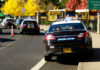
Gunshots shattered the sleepy calm of Allapattah before sunrise on October 9, 2025. Miami police responded to a call about a vehicle found riddled with bullets, a telltale sign of escalating violence in the city’s most diverse and densely packed district. Investigation quickly turned into chaos when two officers, seasoned veterans of the force, came under fire, one struck in the knee, the other in the ankle. Both men hit the ground but survived, as their training kicked in and backup raced to the scene.
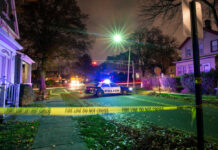
A suspect fled and vanished into a nearby home, transforming a routine call into a life-or-death negotiation. The rapid escalation demanded more than just standard police response; SWAT and tactical units mobilized, cordoning off several blocks from 14th to 18th Street on 10th Avenue. Residents awoke to a city on lockdown, sirens blaring and streets deserted, as negotiators prepared for hours of tense dialogue. The area’s urban density complicated every tactical move, with the risk of stray bullets and civilian casualties looming large.
Inside the Barricade: Tactics, Negotiation, and Family
Miami’s law enforcement faces unique challenges in neighborhoods like Allapattah, where high crime rates and close quarters mean every confrontation risks spiraling out of control. The barricaded suspect, whose identity remained undisclosed, refused contact, forcing police to deploy negotiators and, in a telling move, bring in family members as peacemakers. The standoff stretched into the afternoon, with negotiators balancing urgency and restraint, determined not to rush a situation fraught with peril. SWAT teams held their positions, weapons ready but unused, while residents watched from behind locked doors.
Police Chief statements echoed the department’s cautious approach: officer safety and public protection would not be sacrificed for speed. As negotiations continued, the suspect’s motivations, fear, desperation, or something darker, remained a mystery. Family involvement suggested police hoped for a non-lethal outcome, a strategy shaped by years of experience in handling urban barricades and the hard lessons of Miami’s violent history.
Ripple Effects: Community Disruption and Law Enforcement Scrutiny
The incident triggered immediate disruption throughout Allapattah. Businesses shuttered, families trapped at home, and anxiety rippled through the community. The economic impact was temporary but real, as cordoned streets and police presence stretched from morning into night. Residents demanded answers and safety, while city leaders braced for scrutiny over police tactics and community trust. The officers’ survival spared Miami another tragedy, but their injuries, though non-life-threatening, raised tough questions about preparedness and response.
Law enforcement agencies across the country watched closely. SWAT and negotiation protocols came under the microscope, with experts debating the balance between tactical advantage and negotiation. Some community advocates questioned the use of force and demanded transparency, pointing to Miami’s history of tense police-suspect encounters. Others rallied behind the department’s measured response, citing the value of patience and negotiation in saving lives. The entire event became a litmus test for urban policing in America’s volatile cities.
Lessons and Long-Term Implications for Miami and Beyond
The Allapattah standoff underscored the dangers inherent in urban policing and the need for adaptive strategies in the face of unpredictable violence. Officers’ injuries, while not fatal, were a stark reminder that no call is ever routine. The city’s reliance on negotiation and family involvement signaled a shift toward de-escalation, a trend supported by law enforcement experts and demanded by a wary public. Miami’s response will likely influence future policies, from officer safety training to community engagement and incident transparency.
Criminologists point to the recurring nature of such standoffs in high-crime neighborhoods, urging investment in community policing and mental health resources. Tactical experts highlight the importance of coordination and restraint, especially where urban density magnifies risks to bystanders. The story remains open-ended: Will Miami’s measured response build trust, or will lingering tensions deepen the divide between police and the communities they serve? For now, the city waits, wounded but wiser, as experts and advocates debate the lessons of a morning that changed everything.
Copyright 2025, libertyinsidernews.com