
“Play Sunday or forfeit” — that was the message Oklahoma says it got when the Southeastern Conference moved Sooners–Ole Miss to Sunday after a national flight ground stop disrupted travel.
Story Snapshot
- The Southeastern Conference shifted Oklahoma vs. Ole Miss from Saturday to Sunday after a flight ground stop.
- Oklahoma’s athletic director said the league warned that refusing Sunday would mean a forfeit.
- Ole Miss could not secure a timely charter; the earliest option was late Saturday, reporters said.
- No public rule citation explained the commissioner’s authority to impose a forfeit threat.
What Changed And Why The Game Moved
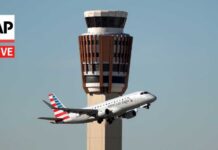
Federal air traffic officials ordered a nationwide ground stop on Friday, which scrambled travel for college teams across the country. The Southeastern Conference then moved Oklahoma’s home game with Mississippi to Sunday at noon Central time. Reporters said Ole Miss could not leave Mississippi on schedule and faced delays that pushed their earliest flight into late Saturday. The move kept the matchup on the calendar rather than canceling it outright.
Oklahoma officials said they objected. Athletic director Roger Denny wrote that Commissioner Greg Sankey made the decision “over our strong objection.” Denny added that the league told Oklahoma that skipping the Sunday slot would count as a forfeit. That claim ran across national outlets and shaped how fans read the move. The league did not publish a matching forfeit warning in its own words in the reports cited.
How Ole Miss’s Travel Fell Apart
Reporters cited an Ole Miss spokesperson who said the program could not secure a planned charter after the ground stop. They said the best backup flight would not depart until 4:20 p.m. Saturday, which would have made an on-time arrival and standard pregame routine hard to manage. A same-day road trip by bus from Mississippi to Oklahoma would be long, taxing, and risky for health and safety. The Sunday shift cleared those hurdles and ensured the game was played.
At the same time, Oklahoma raised fairness questions. Denny pointed to other teams that found ways to travel and keep Saturday kickoffs after the ground stop. Reports highlighted Texas and Tennessee as examples that managed delays, new bookings, or different plans. That comparison made many fans ask why one matchup moved an entire day while others adjusted only their start times.
The Missing Rulebook Page
News stories described what the commissioner did, but none cited a specific Southeastern Conference bylaw or written policy that clearly authorizes a day change paired with a forfeit threat. That gap matters for trust. When choices hit athletes, fans, staff, and small businesses around a stadium, people want to see the rule that guided the call. Without a public citation, many will assume it was a discretionary move by a powerful office.
Late timing also raised costs. Workers had shifts set. Families planned travel. Stadium vendors stocked up. A last-minute day change forces refunds, reassignments, and extra expenses. Even if Sunday was the most practical fix, the blowback grows when the process feels top-down with thin public reasoning. Clear rules posted in advance reduce that anger and make hard calls feel more legitimate.
Why This Fight Hits A Nerve Beyond Sports
College sports have become big business, with conferences acting like centralized leagues. Schools still have local needs, from athlete care to fan commitments. This clash sits at that fault line. Central offices chase clean schedules and media windows. Campuses want a fair shake and a voice. Fans on the right and left both worry when decisions look opaque and tilted toward money and power rather than basic fairness and common sense.
The SEC and Greg Sankey threatened the Sooners with a forfeit to reschedule the Oklahoma-Ole Miss game to Sunday after the Rebels' travel delay. OU AD Roger Denny rightfully put the SEC on blast over "the wrong outcome."
🔗 https://t.co/uaF8aTCiZL
✍️ @dekotagregory pic.twitter.com/FyEM2luuey— Stormin In Norman (@StorminInNorman) November 14, 2026
Reasonable people can read the same facts in different ways. One view says the league protected the game after a rare travel jam. Another says Oklahoma was boxed in by a forfeit threat while others played Saturday. Both things can be partly true. The way forward is simple, if not easy: publish the exact rules, cite them in real time, and show the travel options and timelines considered. Transparency is the best way to calm anger and keep the focus on the field.
Sources:
facebook.com, nytimes.com, usatoday.com, espn.co.uk, koco.com, sports.yahoo.com
© libertyinsidernews.com 2026. All rights reserved.