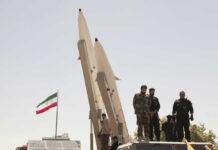

(LibertyInsiderNews.com) – Iran launched missile barrages at Israel within hours of accepting a Trump-brokered ceasefire, exposing the fragility of diplomatic agreements with a regime that views truces as tactical pauses rather than genuine commitments to peace.
Story Snapshot
- Iranian missiles struck Israel hours after Tehran publicly accepted a two-week ceasefire announced by President Trump
- Air raid sirens activated across Israeli cities including Tel Aviv, Haifa, and Jerusalem, with four civilians injured and 15 suffering anxiety
- Iran simultaneously targeted Saudi Arabia’s petrochemical facilities and triggered missile alerts in the UAE, expanding the conflict beyond Israel
- Iran’s statement that “the war itself had not ended” revealed the regime’s view of the ceasefire as temporary, undermining the credibility of the agreement
Ceasefire Shattered Before It Began
President Trump announced a two-week ceasefire agreement Wednesday involving the United States, Israel, and Iran, conditioning Iran’s participation on halting attacks and allowing shipping through the Strait of Hormuz. Within hours, Iranian missiles rained down on Israel, triggering air raid sirens from Tel Aviv to Jerusalem. The strikes occurred despite Iran’s Supreme National Security Council publicly stating acceptance of the truce. Four people sustained light injuries in the southern town of Tel Sheva, while 15 others required treatment for anxiety as missile fragments littered the Sharon area in central Israel.
Regional Escalation Beyond Bilateral Conflict
The Iranian assault extended far beyond Israel’s borders, demonstrating the regime’s disregard for regional stability despite diplomatic overtures. Reuters reported Iranian strikes on Saudi Arabia’s Jubail petrochemical area, a critical energy infrastructure site that supplies global markets. Missile alerts simultaneously activated in the United Arab Emirates, forcing civilians into shelters and disrupting daily life. The multi-nation targeting revealed Iran’s willingness to expand hostilities even while publicly accepting ceasefire terms, threatening shipping lanes and energy supplies that affect American consumers through volatile oil prices.
Diplomatic Credibility in Question
Iran’s Supreme National Security Council issued a telling statement alongside its ceasefire acceptance, declaring that “the war itself had not ended” and warning that “any further move by its enemies would be met forcefully.” This language exposed the regime’s tactical approach to diplomacy, treating the agreement as a temporary pause rather than a genuine commitment to de-escalation. For Americans exhausted by decades of failed Middle East negotiations, this contradiction between words and actions reinforces frustration with government officials who broker agreements with regimes that have no intention of honoring them.
The ceasefire arrangement tied diplomatic progress to concrete Iranian actions: stopping attacks and reopening Strait of Hormuz shipping lanes. Talks were scheduled to begin Friday in Islamabad under Pakistani mediation, suggesting the Trump administration pursued a verification-based approach. However, the immediate missile launches rendered those conditions meaningless before negotiations could even start. Markets initially responded positively to the ceasefire announcement with falling oil prices, but the military reality remained unstable as emergency response teams across Israel assessed damage and investigated shrapnel sites.
Enforcement Challenges and American Interests
The weeks preceding the ceasefire saw escalating Israeli and U.S. military strikes on Iranian targets, met with repeated Iranian missile attacks across the region. This cycle of retaliation created conditions where both sides claimed defensive justifications for offensive actions. The immediate post-ceasefire strikes raise questions about whether Iran deliberately tested boundaries, experienced communication failures, or faced internal disagreement about honoring the agreement. For American taxpayers funding regional security commitments and energy consumers vulnerable to Strait of Hormuz disruptions, the inability to secure enforceable agreements represents a failure of diplomatic investments.
Central District police, Border police, and bomb disposal experts deployed across Israel to investigate missile impact sites and conduct safety assessments as the story continued developing. The White House had not issued detailed formal responses to the post-ceasefire launches at the time of reporting, leaving uncertainty about whether the administration would maintain the diplomatic track or revert to military pressure. The involvement of Saudi Arabia and the UAE as direct targets complicates enforcement, transforming what appeared to be a bilateral U.S.-Iran-Israel agreement into a regional security challenge requiring multi-nation coordination that has historically proven difficult to achieve.
Sources:
Sirens sound in central, northern Israel amid reports of missile launches – The Jerusalem Post
Trump announces ceasefire agreement with Iran – Fox News
Iran launches missiles at Israel hours after accepting ceasefire – The Jerusalem Post
Copyright 2026, LibertyInsiderNews.com