
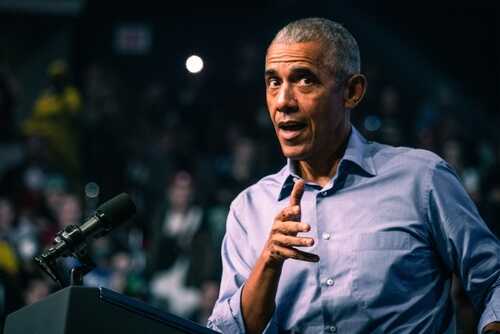
(LibertyInsiderNews.com) – Barack Obama’s reported fury over Nancy Pelosi’s surprise endorsement of Kamala Harris after Joe Biden’s withdrawal reveals deep rifts in the Democratic Party’s leadership.
Story Snapshot
- Former President Obama was reportedly incensed by Pelosi’s endorsement of Harris, breaking their agreement to remain neutral.
- The endorsement came immediately after President Biden exited the 2024 presidential race.
- This internal party conflict highlights ongoing power struggles and strategic disagreements.
- Harris quickly secured further endorsements, consolidating her position as the Democratic nominee.
Obama and Pelosi: A Rift Exposed
Barack Obama and Nancy Pelosi, two of the most influential figures in the Democratic Party, had a private understanding to not endorse any candidate immediately following President Joe Biden’s decision to withdraw from the 2024 race. This agreement aimed to encourage a competitive primary rather than an automatic nomination for Kamala Harris. However, Pelosi’s unexpected endorsement of Harris shattered this pact, reportedly leading to an angry phone call from Obama, who allegedly demanded to know, “What the f*** did you just do?”
The timing of Pelosi’s endorsement, just a day after Biden’s withdrawal, underscores the urgency and chaos within the party’s ranks. Her swift move to back Harris appears to have been a strategic decision to rapidly unify the party behind a strong candidate. However, this decision was not without its consequences, revealing significant internal tensions and highlighting the delicate balance of power among Democratic leaders.
Immediate Fallout and Strategic Implications
Following Pelosi’s endorsement, Harris quickly garnered additional support from prominent figures such as Bill and Hillary Clinton, as well as several Democratic governors. This rapid consolidation of endorsements suggests a coordinated effort to present a united front and stabilize the party amid Biden’s unexpected exit. However, the fallout from Pelosi’s decision and Obama’s reaction indicates a deeper rift that could have long-term implications for party unity and strategy.
The incident highlights a critical challenge for the Democratic Party: balancing the need for a cohesive and strong electoral strategy with the values of transparency and democratic processes. The public revelation of Obama’s frustration with Pelosi could fuel narratives of discord within the party, potentially affecting voter trust and enthusiasm.
Historical Context and Party Dynamics
The Democratic Party has faced similar challenges in the past, particularly when an incumbent president does not seek re-election or withdraws late in the cycle. The 1968 and 1980 elections serve as precedents, where internal divisions and last-minute candidate changes led to significant strife. These historical echoes provide context for the current situation, illustrating the recurring nature of such political dynamics.
The current scenario also reflects ongoing tensions between the party’s progressive and establishment wings. While Harris represents continuity and establishment support, the process leading to her presumptive nomination has raised questions about the fairness and openness of the Democratic primary system. This tension could influence future calls for reform and impact the party’s ability to attract and mobilize its diverse voter base.
Expert Perspectives and Long-term Implications
Political analysts suggest that while the swift consolidation of support behind Harris may have minimized immediate public infighting, the incident reveals underlying fractures within the Democratic leadership. These tensions could influence future coordination and strategy, as well as voter perceptions of the party’s internal democracy.
Scholars emphasize that such episodes, while not unprecedented, can have lasting effects on party cohesion and public trust. The lack of a competitive primary might dampen voter engagement and weaken Harris’s mandate, potentially impacting the Democratic Party’s performance in the general election. The incident serves as a reminder of the complex interplay between party unity, strategic imperatives, and democratic legitimacy.
Copyright 2025, libertyinsidernews.com