
President Trump praised a supporter who punched a protester at his Clemson rally, turning a security flare-up into a political moment that now spotlights how America handles dissent inside campaign events.
Story Snapshot
- Trump told the Clemson crowd the heckler “got whacked,” describing a supporter’s punch during a disruption.
- Local reporting said police moved in, escorted people out, and confirmed punches were thrown.
- Critics say Trump’s reaction fits a pattern of treating rough responses to protesters as acceptable.
- Research shows partisans judge protest violence more harshly when it comes from the “other side”.
What Happened Inside the Clemson Rally
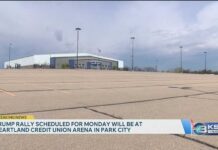
Mediaite reported that President Trump addressed a disruption at his Clemson, South Carolina rally by saying the protester “started that… screech” and “got whacked,” crediting a supporter’s courage for intervening. Fox Carolina reported that punches were thrown during the Upstate rally, police rushed in, and multiple people were escorted out. The reports describe a brief clash amid a larger event. The available accounts do not name those involved or document any arrest or charges tied to the punch.
Based on the reporting, the supporter appeared to punch a protester during the disturbance, and officers then managed the scene. The sources do not establish whether the protester struck first or posed an immediate threat. The legality of the punch is not addressed in the materials. There is no police incident narrative, body-camera record, or prosecutor statement in the cited coverage. That gap leaves key questions open about what led to the force used and whether it was justified.
Trump’s Rhetoric and the Pattern Critics See
Critics argue that Trump’s Clemson remarks echo past comments that framed getting “rough” with protesters as “very, very appropriate”. They say repeated praise or joking about force signals that physical retaliation is acceptable at rallies. While Trump has at other times told crowds “Don’t hurt them,” he has also mimed or recalled punching hecklers, which fuels the charge of mixed messages. The Clemson praise fits that debate, which now turns on what leaders encourage when tensions rise in packed venues.
Separate reporting on a Youngstown incident described a protester being struck while Trump called her a paid agitator, drawing further condemnation and claims of a broader pattern. Those accounts intensify the view that reactions on stage can shape how crowds see dissent. Supporters often hear a defense of the event’s order. Opponents hear an endorsement of vigilantism. Without clear, repeated guidance to defer to security, split interpretations are likely to persist across future rallies.
Why This Matters for Both Sides
Partisan bias studies show people tend to support tougher penalties when the violence comes from the “other side,” and more lenient views when it comes from allies. That helps explain why the same punch reads as crowd protection to some and political violence to others. Most Americans still reject political violence, yet even small shifts in tolerance can change behavior at live events. Packed rooms, hot rhetoric, and slow security responses make brief brawls more likely to occur.
Large rallies are vital to both mobilization and message control. Disruptions threaten that stagecraft, and leaders face a choice in real time. They can channel the crowd toward calm and let security work, or they can reward freelance enforcement from the floor. The Clemson moment shows the risk of the second path. It may thrill core fans, but it also raises liability risks, invites harsher media frames, and deepens the sense, left and right, that our politics rewards force over rules.
Sources:
news9.com, oklahoman.com, trump-archive.com, uspresidentialelectionnews.com, foxcarolina.com, en.wikipedia.org
© libertyinsidernews.com 2026. All rights reserved.