
(LibertyInsiderNews.com) – A $60 million Navy fighter jet vanishing off a carrier deck in seconds exposes how years of political neglect have stretched America’s front-line warfighters to the breaking point.
Story Snapshot
- A Super Hornet was lost from USS Harry S. Truman after an arresting cable failed during a Red Sea landing, though both crew members survived.
- The mishap was one of four serious incidents on the same carrier between December 2024 and May 2025, raising questions about readiness and maintenance.
- Navy investigators warned the cluster of mishaps came dangerously close to killing sailors and severely damaging the ship.
- The episode highlights how high‑tempo deployments and past budget games in Washington eroded the margins of safety Trump now vows to rebuild.
How a Routine Night Landing Turned into a $60 Million Loss
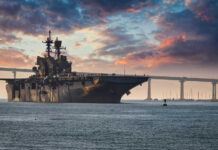
During a night recovery in the Red Sea, an F/A‑18 Super Hornet returning to the carrier USS Harry S. Truman caught the arresting wire like thousands of jets before it. In that instant, the cross‑deck pendant and its associated system, designed to stop roughly 50,000 to 60,000 pounds of airplane in a few hundred feet, catastrophically failed. Witnesses saw a boom, sparks, and flames as the jet lost deceleration, rolled off the angled deck, and plunged into the sea while the pilot and weapons systems officer ejected and survived with minor injuries.
Navy search‑and‑rescue crews quickly pulled both aviators from the water, but the front‑line combat aircraft was gone, joining a long list of expensive assets written off outside of combat. The service did not publicly pursue a recovery effort, a decision consistent with the depth and complexity of the Red Sea, but one that underscores how a high‑value jet can disappear in seconds when a single critical system fails under stress.
A Cluster of Mishaps that Came Perilously Close to Disaster
The cable failure was not an isolated fluke. Investigators tied it to a broader pattern: four serious mishaps aboard Truman between December 2024 and May 2025 during a hard‑driving deployment. Alongside the over‑the‑side Super Hornet, the report detailed incidents that nearly turned deadly, including a missile‑defense engagement where debris from an intercepted threat slammed into the hull within feet of spaces containing multiple sailors. Analysts noted that a slightly different trajectory could have killed eight Americans and caused major damage.
Truman even had to pull into Souda Bay, Greece, for damage checks and temporary repairs after one of these close calls, a rare pause in a deployment built around sustaining pressure on hostile actors and protecting vital shipping lanes. For readers who have watched Washington politicians play games with defense funding while pushing globalist distractions and social experiments on the ranks, the picture is familiar: front‑line crews are asked to do more with aging gear, tight maintenance windows, and relentless operations, until the margin for error shrinks to inches and split seconds.
High‑Tempo Red Sea Operations and the Cost of Political Choices
The mishaps unfolded against the backdrop of persistent missile and drone threats from Houthi forces menacing the Red Sea and the global trade it carries. Carrier aviators flew repeated strike and patrol missions, often at night and in challenging sea states, while ship crews juggled flight operations with air‑defense alerts. Arresting gear cables and hydraulic systems, already complex and maintenance‑intensive, were pushed through heavy cycles that magnify any lag in inspections, parts, or experienced technicians.
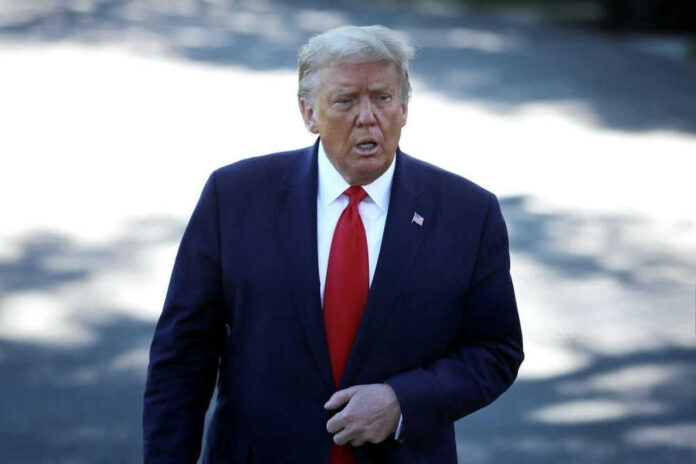
Conservatives remember how, under prior leadership in Washington, defense dollars were routinely siphoned toward climate initiatives, diversity bureaucracies, and foreign boondoggles instead of nuts‑and‑bolts readiness. That approach left critical systems like carrier arresting gear vulnerable to fatigue and delay just as threats multiplied. Trump’s return to office with a mandate to restore the military’s core mission, winning wars, deterring enemies, and protecting American interests, directly targets this problem by prioritizing maintenance, training, and mission‑focused spending over ideological projects.
Readiness, Accountability, and What Comes Next Under Trump
The Navy’s formal investigation emphasized systemic lessons rather than scapegoats, pointing toward better predictive maintenance, refined procedures, and closer scrutiny of equipment performance across the carrier fleet. For many in the conservative base, that aligns with a larger shift under the new Trump administration: move away from paper‑shuffling oversight that obsesses over checklists and political correctness, and toward practical accountability that fixes what is broken so operators can do their jobs safely and decisively.
Trump’s team has already signaled that defense dollars will emphasize hard power and readiness, not social engineering, putting more resources into shipyard capacity, spare parts, and training hours, while cutting wasteful pet programs that do nothing to help a young pilot grab a wire on a pitching deck at midnight. For readers tired of seeing billion‑dollar ships and irreplaceable jets stressed to the limit by political choices far from the fighting, the Truman mishap is a stark reminder of what is at stake when Washington forgets its first constitutional obligation: to provide for the common defense.
Copyright 2025, LibertyInsiderNews.com