
A new Mike Rogers ad pins a dollar figure on Abdul El-Sayed’s energy agenda and turns household bills into the race’s central test.
Story Highlights
- Rogers’ ad claims El-Sayed backs policies that will raise utility and gas costs for Michigan families.
- El-Sayed’s platform highlights Medicare for All, affordability, and campaign-finance reform, not a Green New Deal plank.
- Independent reporting labels some Rogers attacks on policing “mostly false,” complicating the crime narrative.
- Negative ads can shift voter views, yet campaigns face little legal risk for sharp claims.
What Rogers’ New Ad Says About Costs
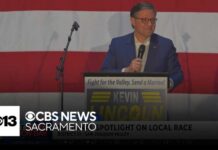
Mike Rogers’ campaign released a spot linking Abdul El-Sayed to the Green New Deal and a “national energy tax,” claiming Michigan households could pay up to $2,000 more per year in utilities and 20 cents more per gallon for gas, with bills rising as much as 27 percent. The ad argues these policies would hit manufacturing and jobs. The message targets pain points many voters feel: high energy costs and fear of losing factory work that supports families.
The ad’s strategy is clear. It offers specific numbers that stick in voters’ minds and frames the Senate race around kitchen-table math. That approach reflects a common tactic in modern campaigns. A precise claim about future costs creates pressure for a rebuttal, even when the ad does not show the full math behind its forecast. The numbers aim to define the stakes before voters hear the opponent’s detailed plan.
How El-Sayed Frames His Platform
Abdul El-Sayed’s current platform centers on three themes: getting money out of politics, putting money in voters’ pockets, and passing Medicare for All. Coverage of his campaign lists affordability steps, like lifting the payroll-tax cap for high earners and housing measures, while highlighting Medicare for All as his policy centerpiece. These summaries do not list a Green New Deal proposal as a top priority, which contrasts with the ad’s framing of his energy position.
El-Sayed says Medicare for All would roll out over time and would not have to ban private insurance, aiming to cut overall health costs even if some taxes rise for the middle class. In debates, he tied price spikes to the Iran war and corporate power, not to a plan that would raise household energy bills on purpose. This shows his campaign pitching gradual change on health care and targeted affordability steps, while trying to defuse claims that his policies would spike monthly costs.
Crime, Safety, and the Line Between Attack and Evidence
Rogers and allies have also pressed a “soft on crime” theme. A respected fact-check rated “mostly false” a Rogers claim that El-Sayed supports defunding police and emptying prisons, citing El-Sayed’s support for police recruitment, retention, and retirement funding. That finding does not settle every dispute on public safety, but it undercuts a simple defund label. It also shows why voters should separate ad language from documented policy positions.
The two candidates keep fighting to own the “safety and stability” lane. Rogers leans on his law enforcement message and broad warnings about risk. El-Sayed highlights funding for behavioral health response and police retirement while arguing his plans would lower household costs overall. For many families, the core concern is trust: who will keep streets safe and bills manageable without shifting the burden onto working people.
Why These Ads Land—and Why They Rarely Face Penalties
Research shows negative ads can move opinions and set the agenda for what voters think matters most, even if they do not always boost turnout or win every race. Sharp claims flourish because legal guardrails are narrow. Courts make it hard for public figures to win defamation cases, which lowers the risk for hard-hitting political messages that blend facts, forecasts, and opinion. Broadcasters also tread carefully, but lawsuits over attack ads seldom succeed.
This gap feeds a feeling shared by many on the right and the left: powerful players shape debate with vivid numbers while families struggle with real bills. Rogers’ ad grabs attention by naming a cost. El-Sayed’s replies point to different causes and gradual fixes. Voters must judge which claims match the candidate’s record and which ideas best protect paychecks, energy security, and Michigan’s manufacturing base in the months ahead.
Sources:
townhall.com, politifact.com, bridgemi.com, michigandaily.com, bnd.com, politico.com, factcheck.org, supreme.justia.com
© libertyinsidernews.com 2026. All rights reserved.