
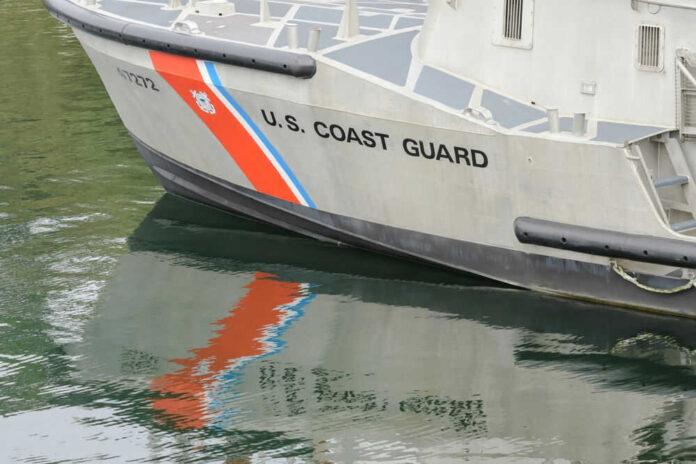
(LibertyInsiderNews.com) – The US Coast Guard’s interception of a third Venezuelan vessel in less than a week exposes the ongoing battle against illegal oil trade and pressures President Nicolás Maduro’s regime.
Story Snapshot
- The US Coast Guard intercepted Bella 1, marking the third vessel seized within a week.
- President Trump enforces a complete blockade on Venezuelan oil tankers to cut off Maduro’s revenue.
- The operation targets Venezuela’s shadow fleet, which uses false flags to evade sanctions.
- This strategic move disrupts oil flows without direct military action, intensifying economic pressure.
US Escalates Pressure on Venezuela’s Shadow Fleet
On December 21, 2025, the US Coast Guard pursued Bella 1, a vessel part of Venezuela’s shadow fleet, under a judicial seizure order. This is the third such interception in a week, illustrating the Trump administration’s robust stance against Nicolás Maduro’s regime. These operations aim to halt sanctions-evading oil flows, employing judicial measures rather than military force to cripple Venezuela’s oil-dependent economy.
These seizures form part of a broader campaign initiated with the interception of the tanker Skipper on December 10, which was followed by sanctions against six shipping companies. The proactive blockade, ordered by President Trump on December 16, aims to enforce a “total and complete” stop on sanctioned oil transfers to and from Venezuela, directly impacting the shadow fleet’s operations.
Historical Context and Strategic Implications
The US-Venezuela tensions have escalated since 2017, with sanctions targeting PDVSA oil exports amid accusations of election fraud and human rights abuses under Maduro. The emergence of shadow fleets, consisting of vessels using false flags and AIS spoofing, represents a strategic evasion of these sanctions. Trump’s latest military deployments in the Caribbean, initially focused on drug interdictions, have expanded to counter oil trade violations.
The US naval superiority and judicial leverage allow for effective disruption of Venezuela’s oil trade. While Maduro responds with military mobilization, the economic vulnerabilities due to reliance on oil revenue place his regime under severe financial strain. This strategic shift from drug to oil enforcement increases pressure on Maduro without resorting to direct invasion tactics.
Impact and Expert Analysis
Short-term, this blockade affects approximately 17 inbound tankers, cutting critical revenue streams for the Venezuelan government. Long-term consequences could include regional oil supply volatility in 2026 and a broader enforcement reach against over 150 tankers involved in the shadow fleet. This proactive stance not only weakens Maduro’s hold but also signals a significant policy shift towards resource diplomacy.
Experts, including maritime lawyers, suggest that these actions significantly disrupt flows dependent on evasion tactics. The blockade underlines the administration’s commitment to enforcing sanctions rigorously while navigating complex international waters. The potential for regional oil market fluctuations adds an economic dimension to the geopolitical implications of these strategies.
While the blockade and vessel seizures exert substantial pressure on Maduro, they also highlight the intricate dynamics of US-Venezuela relations. The emphasis on judicial seizures over military actions reflects a nuanced approach to dismantling illicit economic activities without provoking direct confrontation. Experts predict this could eventually lead to a shift in power dynamics within Venezuela.
Copyright 2025, LibertyInsiderNews.com