
Wisconsin’s Democratic primary shocked poll-watchers when David Crowley beat polling favorite Francesca Hong by a razor-thin margin.
Story Highlights
- Pre-primary polls and coverage cast Francesca Hong as the frontrunner.
- David Crowley won narrowly, despite trailing in limited surveys.
- Late shifts, high undecideds, and endorsements likely changed the race.
- The miss exposes how volatile primary electorates can fool polling snapshots.
What The Polls Said Before Election Day
News outlets and analysts described Francesca Hong as the polling favorite heading into Wisconsin’s August 11, 2026 Democratic primary for governor. Reports highlighted a Marquette University Law School survey series that showed Hong leading, while also noting a very large undecided share among voters in mid-July. Coverage framed the race as competitive but tilted toward Hong, creating a public sense that she would likely prevail if trends held through Election Day.
Several national outlets echoed that picture. They called Hong the frontrunner and said David Crowley started well behind in the limited polling on the race. Live election coverage later described Crowley’s win as an upset against a candidate “leading in the polls,” reinforcing the perception that public polling and the outcome diverged. That framing set up a post-mortem debate about whether surveys measured a fleeting moment or missed late voter movement altogether.
What Actually Happened On Primary Night
Milwaukee County Executive David Crowley won the Democratic nomination by a small margin over state representative Francesca Hong. The final count was close enough for observers to call it a surprise given the pre-election narrative. The result capped a fast, messy summer in which the candidate field changed, fundraising surged, and endorsements landed. The narrow finish means small late breaks in support could have swung the outcome either way.
The field’s volatility mattered. Wisconsin Watch reported that the race shifted quickly in July as candidates exited and re-entered. That included Crowley returning to the race and gaining a key endorsement from Governor Tony Evers, moves with the potential to change voter choices after the most-cited polls were conducted. Large undecided blocs made those late cues even more powerful in a low-turnout primary context.
Why Polls Struggled In This Primary
Experts point to three structural challenges. First, the share of undecided voters was unusually high. When almost half of surveyed voters have not chosen a candidate, a “lead” is fragile and can vanish with late news or endorsements. Second, primaries have smaller, less stable electorates, so likely-voter screens are harder to model. Third, a changing field means polling snapshots can be stale within days, even if methods are sound.
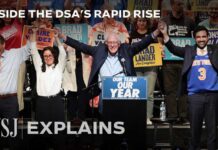
BREAKING: Wisconsin Democrats narrowly rejected DSA-backed Rep. Francesca Hong. The bigger story: she came within a few thousand votes of winning the governor nomination. The progressive movement didn’t win, but it came close. 📡 https://t.co/KfZIaomCBh
— The Public Signal News Network (@PublicSignalX) August 12, 2026
The Wisconsin case also shows how media narratives can outpace data. Outlets repeatedly presented a frontrunner frame because several polls showed Hong ahead. But those same reports flagged deep uncertainty and a “wide-open” race. When a late endorsement and renewed fundraising energy boosted Crowley, the electorate adjusted faster than the polling cycle. That does not prove polls were “wrong” so much as incomplete for a moving target.
What Both Sides Of The Aisle See In This Miss
Voters across the spectrum see a familiar pattern: institutions project confidence, then scramble when results differ. Conservatives frustrated by media narratives say the polls again leaned into a preferred storyline. Liberals wary of party infighting see how fractured fields and last-minute shifts can whipsaw outcomes. Both camps share a deeper worry that our political system runs on spin, not clarity, and that insiders set the stage while citizens get partial pictures until votes are counted.
For citizens who feel the “experts” missed the mark, this story offers a practical lesson. Treat primary polling as a weather report, not a timetable. Ask when a poll was fielded, how many were undecided, and whether the candidate list changed since then. In tight primaries, late events can flip a race. That is not a plot; it is the math of small, fluid electorates where a few thousand votes make the difference.
What To Watch Next In Wisconsin
Analysts will look for full poll toplines and methods from the last surveys before the primary. They will study whether undecided voters broke toward Crowley after his re-entry and Governor Evers’s endorsement, and whether turnout in Milwaukee County or Madison shifted models. Those findings can help improve likely-voter screens and timing for future primaries in Wisconsin and other swing states.
Heading toward November, both parties will adjust. Republicans see a Democratic field that split until the end. Democrats will try to unite behind Crowley while learning from a race that moved late. Voters want less spin and more straight data. Clearer disclosure from pollsters and campaigns could rebuild trust, but only if it comes before, not after, the next surprise.
Sources:
zerohedge.com, youtube.com, en.wikipedia.org, pbswisconsin.org, wisconsinwatch.org, cbsnews.com, cnn.com, law.marquette.edu, apnews.com
© libertyinsidernews.com 2026. All rights reserved.