
When the nation’s top health official turns federal nutrition policy into a YouTube cooking show, it raises real questions about who the government is truly trying to help.
Story Snapshot
- Health and Human Services Secretary Robert F. Kennedy Jr. launched “The Real Food Show,” a federal-backed online cooking series.
- The show is part of President Trump’s “Make America Healthy Again” agenda and ties directly to new Dietary Guidelines for Americans.
- Each episode promises whole-food recipes under $5 per serving to fight obesity and chronic disease while easing grocery costs.
- Supporters see practical help for families; critics worry it is more political branding than a serious fix for a broken food system.
A Cabinet Secretary Steps Into the Kitchen
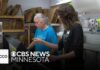
United States Health and Human Services Secretary Robert F. Kennedy Jr. has launched “The Real Food Show,” a government-supported online cooking series that he hosts himself. The show streams on his YouTube channel and on the Health and Human Services website, making it easy for people across the country to watch on their phones or smart TVs. Kennedy says he is traveling across America to cook alongside well-known chefs and show families how to make “delicious, nutritious meals with real ingredients” at affordable prices.
The show is part of President Trump’s “Make America Healthy Again” campaign, which pushes diet and lifestyle as core national issues, not just private choices. Kennedy frames the series as a way to “make America healthy again” by turning dry federal nutrition rules into recipes that real people can cook at home. He says the goal is simple: use food that is less processed, more “real,” and still fits the tight budgets many households face after years of rising prices.
Real Food, Tight Budgets, and New Guidelines
On the Health and Human Services site, officials describe “The Real Food Show” as a series that makes “healthy, affordable cooking simple and accessible for every American.” Every episode is supposed to feature “real, whole-food ingredients” and everyday kitchen tools, not fancy gear or hard-to-find items. Kennedy and his team say each recipe is designed to cost less than $5 per serving whenever possible and to line up with the new Dietary Guidelines for Americans, which give fresh weight to protein, vegetables, fruits, whole grains, and full‑fat dairy.
The first episode, filmed with chef Andrew Gruel, focuses on “Cooking REAL FOOD at Affordable Prices.” In that show, Kennedy and Gruel make crispy salmon cakes with apples, white beans, and a green salad, and they claim the meal stays below the $5-per‑person mark. Kennedy argues that cooking at home with whole ingredients can be cheaper than buying fast food or packaged dinners, pushing back on the common belief that “healthy” always means “expensive.” For families who feel squeezed by grocery bills, this promise hits a nerve.
Politics, Health, and Public Skepticism
This cooking series lands in a country deeply divided over food policy, health costs, and the role of government. Many conservatives blame past “globalist” and “woke” agendas for driving up energy and food prices, while many liberals fault “America First” politics for cutting social support as everyday costs soar. Both sides increasingly agree on one thing: Washington often feels captured by powerful elites who talk about health and fairness but rarely fix the systems that keep people sick and stressed.
Kennedy’s show speaks directly into that frustration. He presents it as a way for government to do something practical, not just issue reports. The Real Food Show promises clear steps families can follow tonight, in their own kitchens, using lower-cost ingredients. At the same time, critics in the media already frame the series as another branding tool, pointing to Kennedy’s unusual sauerkraut-heavy diet and his strong personal views on food. Some worry that a personality-driven cooking show could distract from deeper problems, like hospital food contracts, farm policy, or aggressive marketing of ultra‑processed snacks.
Does a Cooking Show Change a Broken Food System?
From a broader view, “The Real Food Show” fits a long pattern: powerful officials turn complex policies into personal lifestyle content to win trust and attention. Cooking clips are easier to watch than reading nutrition reports, and they can cross party lines, at least on the surface. But the same move can also look like propaganda when people feel the government has failed them on basics like wages, housing, health care, and honest food labeling. That tension sits at the heart of this project.
RFK Jr. launches ‘Real Food Show’ online cooking series https://t.co/ZvPY2iAHBD
— Morning in America (@newsnationam) July 31, 2026
If Kennedy’s recipes truly stay under $5 per serving using widely available ingredients, this show could give many families useful tools for stretching tight budgets and eating better. Yet key questions remain. Independent groups have not audited the cost claims or tested whether the meals really match the new guidelines across episodes. There is also no sign yet of strong support from major nutrition or medical groups, which could help prove that this is more than a political show-and-tell. For now, Americans who feel ignored by the “deep state” may watch and wonder: is this the start of real change, or just the latest performance from a system that prefers optics over hard fixes?
Sources:
redstate.com, usatoday.com, youtube.com, newsmax.com, yahoo.com, foxnews.com, foodandwine.com
© libertyinsidernews.com 2026. All rights reserved.