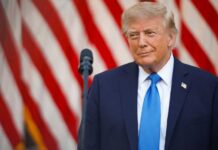

Washington invited Vladimir Putin to the Miami G20, and Moscow says it will consider the offer, setting up a risky but pivotal test of summit diplomacy.
Story Highlights
- The United States invited Russia’s president to December’s G20 in Miami.
- Secretary of State Marco Rubio confirmed the invitation and its aims.
- The Kremlin said it will review the invite through diplomatic channels.
- Russia kept G20 membership after 2022, but leader-level access narrowed.
What The U.S. Did And Why It Matters
On September 23, Secretary of State Marco Rubio said the United States invited Russian President Vladimir Putin to the December G20 Leaders’ Summit in Miami. Rubio framed the move as a way to engage with leaders despite deep disputes and the ongoing war in Ukraine. The invitation signals that the host nation wants key players in the room. That is how G20 summits often work during hard times. Keeping adversaries outside the room can shut down talks that might reduce risks.
The invitation also hints at possible talks between President Trump and Putin on the sidelines, if Russia accepts. Such a meeting could focus on war, energy, and global markets. Supporters of this approach argue that hard problems need face-to-face contact, even with rivals. Critics worry it could look like a reward for bad behavior. Both views reflect a larger fear: powerful governments may prioritize optics and control over solving root problems that hit families and businesses.
How The Kremlin Responded
The Kremlin said it would consider the invitation through diplomatic channels, stopping short of a yes or no. That is a common first step in summit planning, which often involves security, legal, and political reviews. Moscow has taken part in recent G20-level meetings below the leader level after years of strain. Russia never lost its G20 membership after the 2022 invasion, but leader attendance became a flashpoint in global politics. A decision to attend would mark a notable shift back to the top table.
Any Putin trip would draw intense scrutiny from allies and critics. European officials pushed back when the United States hosted Russia at a G20 finance gathering this summer, saying the move caused discomfort and diverted focus from growth and debt issues. That reaction shows the tightrope hosts must walk. Invite too much, and partners bristle. Invite too little, and vital channels close. The G20’s structure lets the host set the tone without changing membership rules.
The Stakes For Americans
Energy prices, supply chains, and inflation pressures tie straight to choices made at gatherings like the G20. When leaders meet, they can ease export curbs, stabilize energy routes, or at least avoid new shocks. When they do not, markets guess and families pay. Many Americans across the political spectrum feel that elite summits often serve insiders first. This invite is a test of whether bringing rivals together can lower risks for workers, retirees, and small businesses instead of only pleasing the powerful.
BREAKING: Russia says will ‘consider’ US G20 invitation for Putin https://t.co/Dk22glwG81
— Insider Paper (@TheInsiderPaper) September 24, 2026
Rubio’s message aligns with a practical rule in crisis diplomacy: talk to manage danger, not to endorse conduct. Supporters on the right may see a chance to press Moscow on energy and security. Supporters on the left may see a venue to demand protection for civilians and infrastructure. Skeptics across both sides will watch for real results, not photo ops. The measure of success will be tangible gains—calmer markets, fewer strikes on energy sites, and steps that lighten costs at home.
Sources:
insiderpaper.com, globalbankingandfinance.com, yahoo.com
© libertyinsidernews.com 2026. All rights reserved.