
When a mother who voted for President Trump begged Congress for answers after her daughter was killed by a federal agent, Washington still could not agree on what justice looks like.
Story Snapshot
- Donna Ganger told Congress she voted for Trump, then said her daughter “should still be alive.”
- Renée Good was shot and killed by an Immigration and Customs Enforcement officer in Minneapolis on January 7, 2026.
- The administration defends the shooting as self-defense, citing video recorded by the officer.
- Key evidence, like full body-camera use and final findings, remains unclear to the public.
Grieving Mother’s Testimony Puts Washington on the Spot
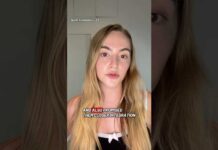
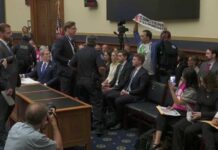
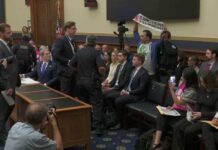
On September 22, 2026, Donna Ganger testified on Capitol Hill about her daughter, Renée Good. She said she voted for President Trump believing federal agents would protect families like hers. She told lawmakers her daughter “should still be alive,” and asked for real accountability. Her words hit both parties hard because they cross the usual lines. They reflect a wider fear that the government is not serving regular people as promised.
Lawmakers from both chambers held a joint public forum focused on deaths tied to federal immigration encounters. They heard from families of Good and of Alex Pretti. These events took place as immigration enforcement expanded under federal operations in cities. The hearing underscored how facts get held by the government, while families and the public wait. That gap fuels anger on the right and left and deepens distrust in official reviews.
What Happened in Minneapolis and What We Know
Reports say an Immigration and Customs Enforcement officer shot and killed Good in south Minneapolis on January 7, 2026, during a targeted operation. News outlets identified the officer as Jonathan Ross, citing records and agency sources. Minnesota Public Radio reported that Ross held a cellphone and recorded video during the encounter. That detail raised questions about whether body cameras were used as policy expects during serious incidents.
Associated Press reporting says Immigration and Customs Enforcement expects officers to turn on body cameras at the start of enforcement actions and keep footage when there is a death or use of force. At the same time, the Department of Homeland Security did not answer questions about whether the officer who fired, or others on scene, wore body cameras. That uncertainty has become a key point for families and lawmakers who want clear, shared evidence.
The Government’s Defense and the Open Evidence Questions
Officials in the administration defended the shooting as self-defense. A Department of Homeland Security assistant secretary said video supports the view that Good obstructed enforcement and that the officer feared for his life and for coworkers. The White House posture has focused on video recorded by the officer, which officials say shows he had no choice but to shoot. That claim has not ended debate, because the full record is not public.
National Public Radio also reported that the administration framed the incident as a justified use of force to protect officers. Yet basic points remain in dispute for the public, including whether body cameras captured the event and whether full internal findings exist and will be released. This information gap keeps pressure high. It also feeds the sense that federal rules differ from what local police face after shootings.
Why This Resonates Beyond Partisan Lines
Families want clear answers, while many conservatives want strong enforcement done by the book. Many liberals want limits on force and real oversight. Both groups worry when critical footage and findings are slow to appear. They ask why the most important evidence is kept inside the system for months. They want rules that apply to everyone, not just regular citizens. That is why this story breaks out of the usual left-right fight.
Courts have long said force can be legal if an officer reasonably believes there is an imminent deadly threat. That legal standard leaves room for hard judgment calls in fast-moving scenes. It also means video, witness accounts, and policy compliance matter a lot. When those records sit behind closed doors, trust erodes. Congress can press for faster release rules, clearer camera mandates, and timelines for findings so families and the public are not left in the dark.
What to Watch Next
Watch for confirmed body-camera records, full video from all angles, radio traffic, and any final internal findings. Look for any local or federal decisions to release evidence, or to explain delays. Track whether Congress proposes concrete camera and review rules, tied to funding, with deadlines and public summaries. These steps would not erase grief. But they would help rebuild trust that the system answers to the people it serves, no matter who holds power.
Sources:
reason.com, rblaw.net, cbsnews.com, audacy.com, pingree.house.gov, fox9.com, edition.cnn.com
© libertyinsidernews.com 2026. All rights reserved.