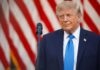

A federal judge ruled FEMA overstepped by tying anti-terrorism grants to how states run elections, voiding new conditions and a 20% funding holdback.
Story Snapshot
- A D.C. judge said FEMA exceeded its authority by linking counterterrorism grants to election-rule changes.
- The court vacated five election-administration conditions and the 20% holdback policy.
- Congress did not clearly authorize using these grants to force election procedures, the opinion said.
- Separate funding for election security remained intact, but mandates on election rules did not.
What The Court Decided And Why It Matters
U.S. District Judge Amir Ali blocked the Trump administration from conditioning key counterterrorism grants on election-administration changes. The judge wrote that the Federal Emergency Management Agency exceeded its legal authority by demanding shifts like paper ballot use and new audits in exchange for funds. The opinion said Congress did not authorize the grant program to push election management reforms that are not aimed at preparing for or responding to acts of terrorism. This ruling halts the 20% grant holdback tied to compliance.
The decision vacated five election-administration conditions, the funding holdback, and related guidance FEMA issued in August. Reports note the court left in place a separate requirement that at least a small share of funds support physical and cyber election security, drawing a line between funding security needs and forcing rule changes. That distinction signals courts may accept targeted security spending but resist using grants to direct state election policy without clear congressional approval.
What FEMA Required And How States Responded
The Department of Homeland Security announced in July that to strengthen election security, states seeking certain Federal Emergency Management Agency grants must submit plans to move away from barcode or quick response code-based voting systems and use hand-marked paper ballots. The department said FEMA would withhold 20% of awards until states showed compliance. States and localities sued, arguing the conditions were unlawful because the grants were meant for terrorism preparedness, not for overhauling election procedures.
Local governments across Texas, Ohio, Tennessee, and other areas joined the challenge, saying the holdback risked cutting funds used for first responders and threat readiness. Plaintiffs claimed the rule was arbitrary, violated the Administrative Procedure Act, and breached separation of powers since Congress had not directed these election changes through statute. The court agreed on the core point: agencies cannot stretch a terrorism-focused grant to compel state election rules where Congress has not clearly said so.
The Spending Power Test Behind The Ruling
Federal conditional grants often face three questions: Did Congress speak clearly, is the condition tied to the grant’s purpose, and is it not unduly coercive? The ruling centered on the “germaneness” problem. The Homeland Security Grant Program targets terrorism and major threats, while the disputed conditions pressed routine election administration. The judge found that mismatch dispositive. Whether the policies are wise or not, the court said the statute did not authorize FEMA to require them through these funds.
𝐁𝐈𝐃𝐄𝐍-𝐀𝐏𝐏𝐎𝐈𝐍𝐓𝐄𝐃 𝐉𝐔𝐃𝐆𝐄 𝐒𝐓𝐑𝐈𝐊𝐄𝐒 𝐃𝐎𝐖𝐍 𝐓𝐑𝐔𝐌𝐏'𝐒 𝐑𝐔𝐋𝐄 𝐓𝐎 𝐂𝐇𝐄𝐂𝐊 𝐕𝐎𝐓𝐄𝐑 𝐂𝐈𝐓𝐈𝐙𝐄𝐍𝐒𝐇𝐈𝐏 𝐀𝐍𝐃 𝐀𝐔𝐃𝐈𝐓 𝟓% 𝐎𝐅 𝐁𝐀𝐋𝐋𝐎𝐓𝐒
A federal judge in Washington just wiped out the Trump administration’s election security… pic.twitter.com/TinoGAZnqK
— M.A. Rothman (@MichaelARothman) September 29, 2026
This is not a ruling against election security work itself. Since 2023, a defined slice of these grants has supported physical and cyber protection for election infrastructure, and that approach continues in some form. What failed here were mandates that pushed states toward specific election procedures under threat of losing money. That legal line matters to both sides: it reins in agency overreach while leaving room for targeted security support that aligns with the grant’s purpose.
Why Voters On Left And Right Care
Voters across the spectrum worry that Washington uses money to force local policy without clear authority. Conservatives see a federal thumb on state election rules. Liberals fear mission creep and power grabs by unelected officials. The court’s message cuts to both concerns: agencies must stick to what Congress actually authorized. When guardrails hold, local leaders can focus funds on bomb squads, cyber defenses, and emergency response instead of fighting top-down mandates that do not match a program’s core mission.
What Comes Next
The administration can appeal, seek a stay, or propose new rules tied directly to terrorism preparedness. Congress could also act by passing clear language if it wants national election procedures tied to these grants. Until then, grant recipients should plan as if the five election-administration conditions and the 20% holdback are void. Agencies will likely emphasize election security spending that fits the program’s scope, while states retain control over how they run voting systems day to day.
Sources:
upi.com, columbus.gov, democracydocket.com, news.bloomberglaw.com, dhs.gov, reuters.com
© libertyinsidernews.com 2026. All rights reserved.