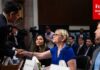

Paramount said Mark Ruffalo used “antisemitic tropes” while he blasted the Ellison family and Oracle during a high-stakes media merger fight, turning a business dispute into a test of speech, power, and bias.
Story Snapshot
- Paramount accused Ruffalo of invoking antisemitic tropes in his merger criticism.
- Ruffalo denied antisemitism and said he criticized policy and contracts, not Jews.
- Jewish groups condemned Ruffalo’s remarks and pressed for a response.
- The clash spotlights how merger fights now hinge on identity, influence, and trust.
What Set Off The Fight
Variety and other outlets reported that Ruffalo tied Oracle and the Ellison family to Israeli power, calling Larry Ellison a “classic oligarch” and saying the Gaza war was a genocide “built on an apartheid system of oppression powered by Oracle”. Paramount responded that it is “troubled when antisemitic tropes are invoked in purported service of a business dispute,” framing the charge around language that hints at Jewish power and control. The timing overlaps with mediation in an antitrust battle over the Paramount–Warner deal.
Three major Jewish organizations publicly rebuked Ruffalo’s comments and urged action from industry leaders, giving the criticism institutional weight beyond social media churn. Their involvement made the allegation harder for Hollywood to ignore, especially during a merger that could reshape studio jobs, news programming, and bargaining clout. Past controversy also resurfaced: in 2021 Ruffalo apologized for using “genocide” about Israel, calling it inaccurate and harmful, which critics cite as a pattern.
Ruffalo’s Pushback And His Core Argument
Ruffalo rejected the accusation as “appalling and fundamentally dishonest,” saying that criticizing Israel’s prime minister, a military technology contract, or executives who supply it is not the same as attacking Jewish people. He said his politics drive his stance, not hostility toward Jews, and he pointed to Jewish friends and colleagues who shaped his life and work. He framed the issue as corporate power and accountability, not identity, arguing that calling this debate antisemitic shuts down needed scrutiny of war, tech, and media consolidation.
Ruffalo’s defenders say the merger and antitrust questions are real, and that criticism of Israeli policy or of a company’s contracts does not equal bigotry. But the language he reportedly used went beyond policy to family-linked influence, which critics argue echoes classic motifs about Jewish wealth and control. That is the line at the center of the fight: is this hard-edged policy talk, or did it cross into a trope many Jews experience as a warning sign? The sources do not include full original posts, which limits exact parsing of tone and scope.
Why This Matters Beyond Hollywood
Mergers shape who owns the news and entertainment that millions watch. When a deal concentrates control, people across the spectrum worry about fewer voices, less competition, and more power for elites. That concern is already high after years of rising costs, shrinking local media, and culture wars. This dispute shows how quickly talks about antitrust and wartime ethics can become fights over bias labels that most readers cannot fact-check in real time.
Both the left and right see a system that shields the powerful. Some conservatives will see a celebrity attacking a key United States ally while skating past facts. Some liberals will see a studio using an antisemitism label to silence dissent. Both sides fear gatekeepers who set the terms of debate. When companies, advocacy groups, and stars trade moral charges, the public is left to choose sides without clear records or neutral referees. That deepens distrust in media and government alike.
How To Read Claims Of “Tropes” In A Merger Fight
Experts and institutions draw a line between fair criticism of a government and language that suggests collective blame or hidden power. Those boundaries are debated, but the red flags are known. When a critic shifts from a contract or policy to targeting a family and its wealth as the engine of war, many Jewish groups hear a familiar pattern and raise alarms. Ruffalo says he aimed at contracts and leaders, not Jews. Paramount says his words crossed the line into dangerous frames.
After actor Mark Ruffalo criticized Paramount's links to Oracle's role in the Israel-Gaza war amid the studio's impending merger with Warner Bros., Paramount spoke out to call Ruffalo's criticism "antisemitic"—and Ruffalo clapped back.https://t.co/qyB9WbVIwm
— Comic Sands (@comicsandsnews) August 24, 2026
Two truths can exist at once. Media consolidation deserves hard questions. So do tech ties to wartime decisions. At the same time, language that paints a people or suggests shadow power corrodes trust and safety. The way out is simple but hard: stick to verifiable claims, name the contract, cite the dollars, and avoid broad labels about identity or family power. That approach protects real debate and makes it harder for elites to hide behind moral fog.
Sources:
livemint.com, newarab.com, aa.com.tr, thewrap.com, forward.com, x.com, au.variety.com
© libertyinsidernews.com 2026. All rights reserved.