
Two new federal lawsuits claim an immigration arrest spiraled into a preventable killing, raising urgent questions about power, force, and accountability in America.
Story Snapshot
- Renee Good’s family filed two federal lawsuits over her January 7, 2026 death in Minneapolis.
- Immigration and Customs Enforcement officer Jonathan Ross is identified as the shooter.
- The family alleges excessive force; the government says the officer fired in self-defense.
- Outside agencies investigated the shooting, but no final findings appear in the record yet.
What Was Filed And Why It Matters
On October 1, 2026, lawyers for Renee Good’s family and partner filed two cases in federal court in Minnesota. One suit targets the United States under the Federal Tort Claims Act for wrongful death. The other names individual federal officials and agents, claiming a civil rights conspiracy tied to the operation that ended in her death. The filings seek damages and answers. They also push the court to review how force was used during a planned immigration sweep that drew heavy public attention.
Reports say Immigration and Customs Enforcement officer Jonathan Ross fired the shots that killed Good during an arrest attempt near her Minneapolis neighborhood. Coverage describes Good in her vehicle when the encounter unfolded, with conflicting accounts over whether she posed an immediate threat. The family’s complaints say deadly force was unjustified and that Good did not present an imminent danger at the moment she was shot. The government’s position differs sharply, which sets up a hard legal fight.
The Conflicting Accounts Of The Shooting
The Department of Homeland Security says Good tried to use her vehicle as a weapon against officers and that the agent fired in self-defense. Officials described the incident in stark terms soon after it happened. A statement said an officer feared for his life and for public safety when he fired “defensive shots”. Supporters of the agent point to that account as proof the shooting followed training and policy. The family rejects that view and says the force was excessive.
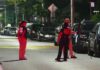
Local and national outlets report public records exist that document parts of the event. A minute-by-minute timeline and emergency call records help outline the sequence leading to the gunfire. Those materials place agents and Good on a residential street and capture the chaos that followed the shot. However, the current reports do not include full forensic files, like ballistics or a scene reconstruction, that could settle key questions on distance, angles, or warnings.
What We Know About Investigations And Evidence
Authorities treated the case as a law enforcement shooting. The Minnesota Bureau of Criminal Apprehension and the Federal Bureau of Investigation examined the incident, which indicates outside review beyond agency statements. As of the latest reports used here, no public charging decision or complete investigative summary has been released. That leaves core facts in dispute. The lawsuits may force disclosure of records, videos, and internal communications through discovery if a judge allows the claims to proceed.
The lack of a public, final finding fuels anger on both sides. People who back tougher immigration enforcement see a dangerous moment where an officer made a split-second call. People who worry about government overreach see another example of lethal force with thin accountability. Both groups share a deeper concern: powerful institutions often keep the public in the dark when stakes are highest. That shared frustration is why these filings are drawing intense scrutiny.
The Legal Hurdles Ahead
Civil suits against federal agents and the United States face steep barriers. Courts have narrowed the paths for suing federal officers over the past two decades. Plaintiffs often must overcome sovereign immunity rules, qualified defenses, and strict pleading standards to reach a jury. Even when claims proceed, the legal test for excessive force focuses on what a “reasonable” officer would have believed at the time, not what we later learn. These hurdles shape settlement pressure and public expectations.
🚨 BREAKING: The family of Renee Good and her partner, Rebecca Good, have filed two federal lawsuits over Good’s January killing by ICE agent Jonathan Ross in Minneapolis.
The first lawsuit is against the United States itself, alleging wrongful death and other claims under the… pic.twitter.com/n0sx9gw3FL
— Signal 1776 (@Signal1776X) October 1, 2026
The family also names senior officials in the civil rights case. That strategy draws attention but can trigger defenses based on immunity and causation. Judges may limit claims to those closer to the scene unless plaintiffs link high-level actions to the force used on the street. Expect early motions to dismiss and to narrow discovery. If any claims survive, sworn testimony and records could clarify who stood where, what commands were given, and why the trigger was pulled.
Why This Case Hits A Nerve Nationally
This case lands in a polarized time, but frustration crosses party lines. Many Americans think leaders protect their own while everyday people pay the price. Supporters of strong borders want clear rules, honest briefings, and body camera footage when force is used. Civil rights advocates want the same things. Transparent evidence helps everyone. These lawsuits test whether a federal system that guards its power will also open its files when a citizen dies in its custody.
Sources:
washingtontimes.com, washingtonpost.com, mprnews.org, cpr.org, pbs.org, abc.net.au, cnn.com
© libertyinsidernews.com 2026. All rights reserved.