
President Trump publicly paused new U.S. attacks on Iran until after the November 3 midterm elections, citing “productive discussions” with Tehran.
Story Snapshot
- Trump said the United States will not attack Iran before the November 3 midterms.
- He linked the pause to “productive discussions” with Iran’s government.
- Reports say larger strikes remain possible after the elections if talks falter.
- Election-season timing reflects a familiar blend of security and political concerns.
Trump’s Stated Pause And Diplomatic Rationale
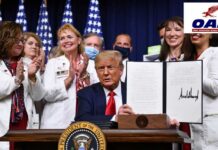
President Trump wrote that the United States “will not be attacking Iran at any time prior to the Midterm Elections,” and said Washington is having “productive discussions” with the Islamic Republic of Iran. Bloomberg, Anadolu, and other outlets reported the same statement on the same day, underscoring that the pause is official and tied to ongoing talks. Trump’s message signals a short-term de-escalation window, while leaving room for diplomacy to test whether Tehran will meet U.S. demands.
Reuters framed the announcement as a clear pre‑election commitment: no new attacks before November 3, while talks continue. The language points to two goals. First, reduce immediate military risk. Second, create space to gauge if negotiations can produce a deal that serves U.S. interests. The move does not end the conflict. It places it on hold for several weeks, setting expectations that choices about next steps will come soon after votes are cast.
Signals About Possible Action After The Vote
Trump has said that renewed, larger bombing of Iran is “possible” after the midterms if Iran’s offer falls short, according to an interview summary and wire coverage. Live coverage from major outlets has also noted his repeated hints that U.S. strikes could resume if talks fail to deliver results. These statements outline a two‑track path: diplomacy now, potential escalation later. That mix is common in crisis management when leaders want leverage during negotiations.
Several reports described internal planning for strike options in recent weeks, reflecting preparation rather than a final decision. Axios reporting highlighted worries that pre‑election strikes could spike oil prices and sway races, a risk often weighed by any administration during wartime near an election. Together, these accounts show officials keeping military tools ready while the White House tests whether diplomacy can reduce threats without fresh combat before Election Day.
Why Election Timing Matters For Policy And Voters
Analysts and newsrooms have tied the pause to a well‑known pattern in U.S. politics: leaders often delay major military steps close to elections to limit shocks to fuel prices, markets, and public mood. Reports describe advisers debating whether action now or later would best serve U.S. aims and stability, noting that a short pause can lower short‑term risk while keeping options open. This approach can steady daily life for families watching prices and deployments.
For many Americans, this moment blends shared concerns from both left and right. People worry that war can raise costs, deepen divides, and distract from problems at home. A pause offers relief but also uncertainty. If talks work, the United States could avoid a new round of strikes. If they fail, the country may face tougher choices after November 3. Trump’s message makes that tradeoff plain: diplomacy first, with force still on the table if needed.
Sources:
humanevents.com, reuters.com, bloomberg.com, wsbtv.com, iranintl.com, newarab.com, itv.com, firstpost.com
© libertyinsidernews.com 2026. All rights reserved.