
California’s attorney general asked federal watchdogs to probe whether taxpayer money funded ads that look more like praise for President Trump than public service.
Story Snapshot
- California Attorney General Rob Bonta filed complaints to trigger federal investigations into the ads.
- Reports say $20 million from Homeland Security and Customs and Border Protection funded a national media buy.
- The White House says the spots are patriotic public service announcements, not election ads.
- Watchdogs will likely test the ads against long-standing bans on “publicity or propaganda”.
Bonta’s Complaint and What It Seeks
California Attorney General Rob Bonta asked the U.S. Government Accountability Office (GAO) and the U.S. Office of Special Counsel to investigate whether the administration used public funds for partisan messaging. Bonta’s letter argues the ads advance a political goal rather than inform the public. The complaint seeks a legal judgment on whether federal prohibitions were breached. GAO opinions can force corrective actions, and the U.S. Office of Special Counsel can review related ethics issues, including the Hatch Act.
The filing comes as both parties face voter anger over rising costs, border strains, and distrust of federal agencies. Bonta’s move taps into that concern by focusing on how leaders use money meant for core duties. The request does not charge crimes; it asks for oversight and clarity. That narrow ask matters. It frames the issue as a test of government rules, not a proxy fight over who voters should support in November.
Funding Trail and the $20 Million Question
Multiple outlets reported that the Department of Homeland Security funded the ads, with a federal contract showing Customs and Border Protection obligated $20 million to a firm for a “National Media Campaign” on September 20. Sources described the spots as campaign-style and said the money came from accounts meant for border security and related priorities. A Washington Post report said funds originally approved for security upgrades and memorials were tapped for the media effort. These details triggered bipartisan concern and formal inquiries.
The spending alarms many because Congress attaches riders to funding bills that ban “publicity or propaganda” by agencies. Experts say GAO typically flags content that is purely partisan, covert, or self-glorifying as violations. Past GAO opinions have found breaches under both parties. That history gives investigators a yardstick. The questions now: Do these ads promote policy information the public needs, or do they mainly praise a sitting president’s image near an election?
The White House Defense: PSAs, Not Politics
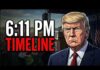
The White House says the ads are public service announcements. Officials argue they do not ask viewers to vote, and President Trump is not on the ballot in the midterms. Spokespeople describe the tone as educational and patriotic, focused on love of country and defense of the border and abroad. They compare the spots to outreach under past presidents on Medicare, the Affordable Care Act, and COVID-19 vaccines. Supporters say government has a duty to explain its policies to the public.
That defense could matter if investigators weigh purpose and effect. GAO has allowed robust policy promotion when it provides clear information. But problems arise when content becomes self-promotion, especially if timed to help a party. The line is thin and often contested. That is why some Republicans also voiced discomfort with the timing and the tone, even while agreeing that public information campaigns are normal in Washington.
Why This Fight Resonates With Voters
Americans across the spectrum worry that elites in Washington protect their own power. When ads praising a president run with a “paid for by the U.S. government” tag, many see a system that spends on spin while families face high bills and crime. Critics on the left see propaganda. Critics on the right see mission creep away from border security. Both sides ask why funds meant for core work ended up on television screens instead of on the front lines.
Vice President JD Vance sees "nothing unusual" in taxpayer-funded ads promoting Trump. Some critics call the ads likely illegal and potentially an impeachable offense. https://t.co/daMXTwLWPU
— Truthout (@truthout) October 5, 2026
Voters have seen versions of this before. Presidents from both parties have promoted marquee policies with public funds. The recurring dispute shows a deeper problem: Congress writes broad rules, agencies push the edges, and watchdogs referee after the money is spent. Clear, fast rulings from GAO could help. If the ads crossed legal lines, the decision should say how, why, and what must change. If not, the opinion should set bright lines for future public messages.
What to Watch Next
Watch for GAO to open a formal review and request documents. Contract files, scripts, and placement schedules will show intent and targeting. Look for letters from Senate and House committees demanding answers from Homeland Security and Customs and Border Protection. If the U.S. Office of Special Counsel sees potential ethics issues, it can refer matters for discipline. Broadcasters could also face pressure if content is ruled improper, though they are not the funders.
For citizens, the test is simple. Do these ads tell you something you need to know to use a benefit or follow a rule? Or do they mostly praise a leader? That answer, not partisan spin, should guide what our government pays to place on air. Tight rules, fast oversight, and sunlight can protect both free speech and taxpayer trust.
Sources:
youtube.com, oag.ca.gov, pbs.org, cnbc.com, nbcnews.com, commondreams.org, people.com, latimes.com, factcheck.org, inquirer.com, news.bgov.com
© libertyinsidernews.com 2026. All rights reserved.